







Search Results for: Brewing Pressure
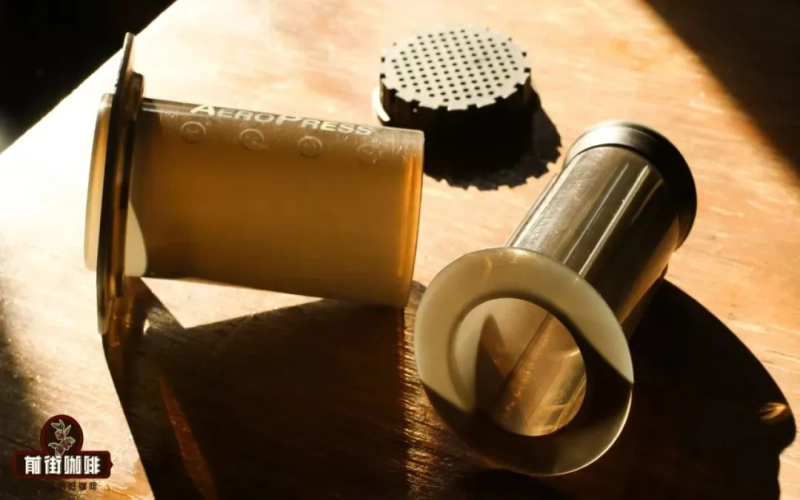
AeroPress Standard vs. Inverted Method Comparison Review: Operational Differences, Flavor Performance, and Equipment Differences from the French Press
The AeroPress is a coffee brewing device that is simple to operate yet offers a wide variety of brewing methods. The official recommendation is the standard (upright) method, but most enthusiasts prefer the inverted method. Through a comparative experiment conducted by Front Street Coffee using Geisha Village Chaka beans, this article provides a detailed analysis of the differences between the standard and inverted methods in terms of operation flow, extraction time, and flavor performance, and explains why the inverted method is more favored. At the same time, the article also compares the AeroPress with the French press, helping readers understand the differences between the two devices in extraction principles and suitable scenarios, providing a reference for daily brewing. [more…]
How fine should the grind be for AeroPress standard (positive pressure) brewing? Extraction comparison and flavor analysis of three grind sizes
The official recommended method for the AeroPress is actually the standard (upright) brewing orientation, but many coffee enthusiasts are more familiar with the inverted method. So how should you choose your grind size for standard orientation brewing? And what flavor differences do different grind sizes bring? In this article, we use Front Street Coffee's Panama Washed Butterfly as the test bean, selecting three grind settings—BG 5M, BG 5R, and BG 6M—and conduct a standard orientation brewing comparison while keeping water temperature, coffee-to-water ratio, and technique fixed, evaluating each one across aroma, acidity, sweetness, cleanliness, and other dimensions. The conclusion: just like the inverted method, standard orientation brewing can reference the grind range used for pour-over, and the unique oily mouthfeel and smooth texture that come from pressure extraction are exactly what makes the AeroPress so appealing. [more…]
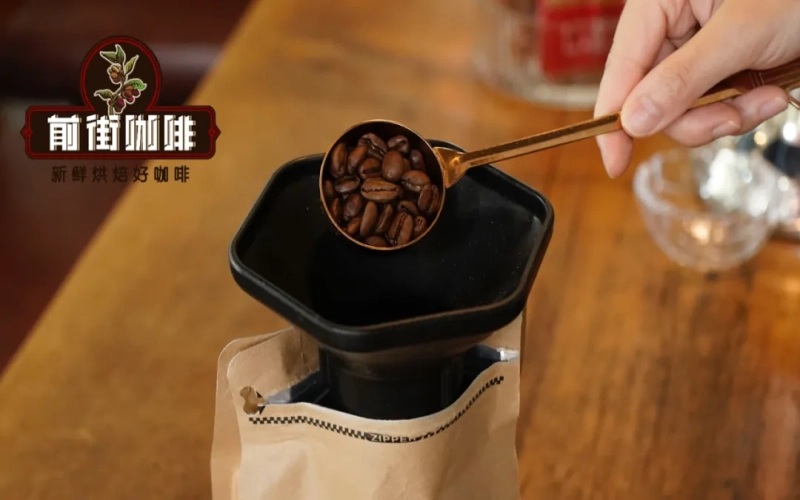
The Complete Guide to the AeroPress: From Invention Background to Inverted Method Brewing Practice and Recipe Details
The AeroPress is a unique coffee device that looks like a syringe yet has its own world championship. It was invented in 2005 by Alan Adler, a mechanical engineering lecturer at Stanford University. Its construction consists of three parts: the chamber, the plunger, and the filter cap, and its extraction principle combines single-serve immersion with espresso-style pressure. This article will begin with the origin and structure of the AeroPress, compare the two brewing methods of standard pressure and inverted pressure, and focus on demonstrating the more stable inverted operation process. At the same time, using the medium-roast Front Street Papua New Guinea · Bird of Paradise as an example, it provides specific parameters of 15 grams of coffee, 240 milliliters of water, a coffee-to-water ratio of 1:16, and a water temperature of 90–93°C, as well as a 1:8 adjustment plan for summer iced coffee. [more…]
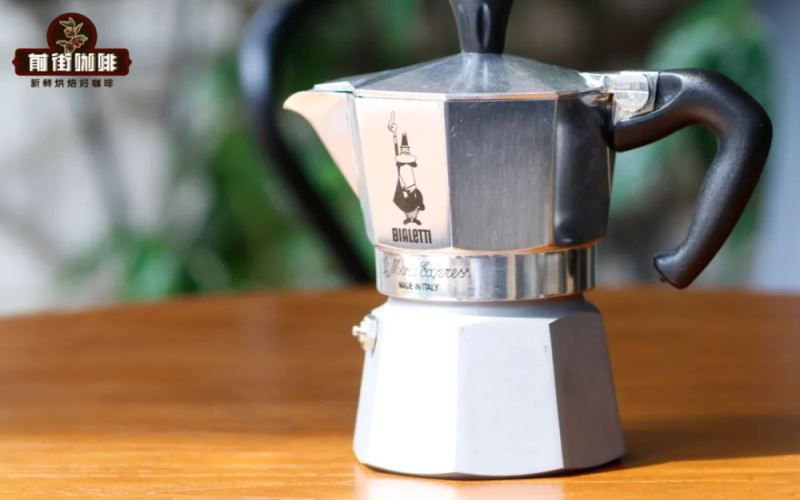
A Practical Guide to the Moka Pot: Extraction Principles, Operating Steps, and Why the Pot Gets Stuck
The moka pot is the most common coffee brewing device in Italian households, extracting a cup of rich, crema-topped coffee by means of steam pressure. In China, however, many enthusiasts are still unfamiliar with its correct operation, and some even encounter the problem of being unable to unscrew the body after brewing. This article begins with the moka pot's invention background and structural principles, then demonstrates the complete process step by step—filling water, adding grounds, heating, and removing from heat—and explains how grind size affects extraction safety, as well as why the body becomes difficult to open after use due to pressure differences. Front Street PWN Golden Mandheling is used for the brewing demonstration, helping readers master the key points of using this classic device. [more…]
A Complete Guide to Espresso: From Boiler Systems to Milk Frothing and Latte Art — Professional Fundamentals
Want to systematically master the underlying logic of espresso? This article provides a complete overview of the core knowledge system of espresso, from equipment principles to practical details. It first deeply analyzes the differences between four types of boiler heating systems and their impact on extraction stability, then explains one by one the selection of steam wands, the structure of grinder burrs, the matching principles of tampers, and key points for choosing latte art pitchers. In the materials section, it focuses on comparing the roasting differences between Northern and Southern Italian-style coffee beans and the logic for selecting suitable milk. Finally, it focuses on the five major variables of extraction and the six factors of milk frothing, and explains in detail the techniques for integrating coffee and milk foam. The full text balances theoretical depth with operational guidance, making it suitable for coffee enthusiasts who want to solidify their foundations to read carefully. [more…]

Origins and Historical Background of the Moka Pot: Structure, Principles, Single vs. Double Valve Differences, and Practical Brewing Key Points
The moka pot is a common piece of equipment in many coffee lovers' homes, but where does its name come from, and what is its structural principle? This article begins with the origin of the moka pot's name, sorts out its three-part construction and pressure extraction mechanism, compares the differences between single-valve and double-valve models, analyzes how it differs from standard espresso in terms of pressure and taste, and fully demonstrates Front Street's brewing process using its own roasted beans, including key details such as water temperature control, grind size selection, coffee basket handling, and heating rhythm, helping readers gain a comprehensive understanding of the key points for using this classic device. [more…]
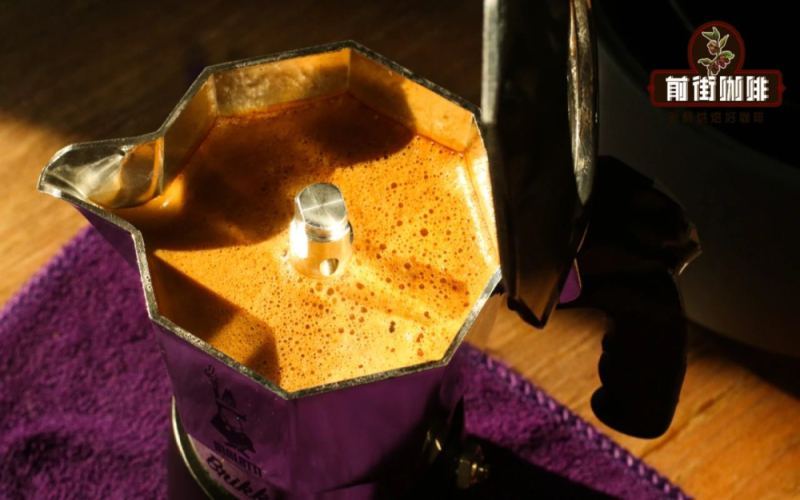
Moka Pot Espresso Brewing Tutorial: Coffee-to-Water Ratio, Step-by-Step Guide, and Crema Improvement Tips Explained
There are more and more moka pot enthusiasts, but many people are still puzzled that they cannot extract the ideal crema. In fact, crema is essentially a foam mass filled with carbon dioxide, and because the moka pot operates at a lower pressure (about 3 bar), its crema is relatively thin. This article starts with the causes of crema, then shares how to enhance the richness of moka pot coffee crema by selecting beans, adjusting to a finer grind, using hot water, reducing boiling time, and using a pressure valve, and recommends coffee beans suitable for the moka pot, such as Front Street Golden Mandheling SOE, Brazil Queen's Estate SOE, and the classic espresso blend, to help you make a rich and full-bodied cup of moka pot coffee. [more…]
A Complete Analysis of Moka Pot Italian-Style Brewing Details: From Structural Principles to Anti-Seizing and Safe Operation
The moka pot is an extremely common classic coffee device in Italian households, with almost every home keeping one on hand. It relies on the steam pressure generated by heating the lower chamber to push hot water through the coffee grounds and into the upper chamber, thereby producing a cup of rich coffee with oils. However, in China, not many people truly understand its correct use. This article will begin with the moka pot's invention history, structural composition, and extraction principles, then explain in detail the key steps such as the water filling position, coffee distribution method, heating rhythm, and grind size. Combined with a brewing example using Front Street PWN Golden Mandheling, it will help readers avoid splashing, explosion hazards caused by improper operation, and problems such as the pot seizing shut and being impossible to open after use, so that the moka pot can produce consistent results. [more…]
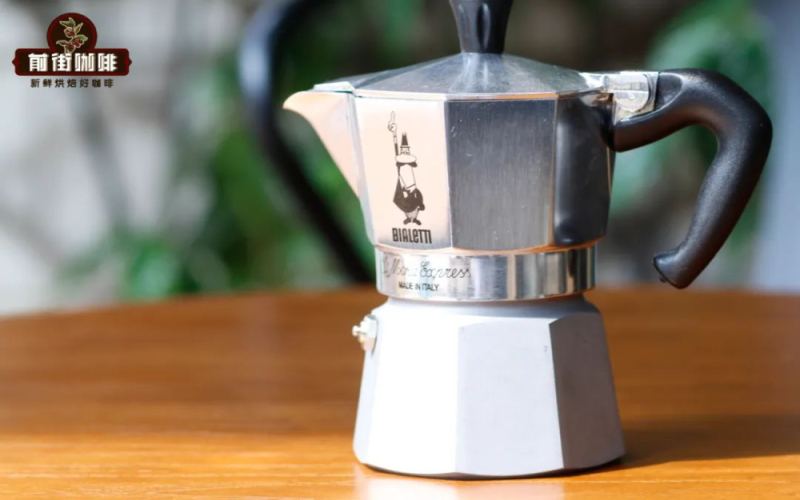
A Complete Guide to Brewing Coffee with a Moka Pot: Principles, Techniques, Pros and Cons, and Recommended Medium-Dark Roast Beans
As a convenient household coffee brewing tool, the moka pot is favored by many coffee enthusiasts thanks to its compact size and affordable price. Using the Bialetti moka pot as an example, this article systematically introduces its extraction principle, operating steps, advantages and disadvantages, as well as the types of coffee beans suitable for moka pot brewing. At the same time, the article will also explain why it is difficult to brew a true espresso with a moka pot, and share several medium-to-dark roasted espresso blends and single-origin beans from the Front Street brand that are suitable for moka pots, helping you easily make a rich and aromatic cup of coffee at home. [more…]

How big is the gap between moka pot coffee and espresso? Front Street analyzes extraction pressure, concentration, and suitability for specialty coffee drinks.
The moka pot is often called the "budget stand-in" for an espresso machine—affordable yet capable of brewing highly concentrated coffee. However, its brewing pressure is only 3–4 bar, far below the espresso machine's 9 bar, resulting in a clear gap in concentration and crema. Through hands-on comparison, Front Street Coffee analyzes whether moka pot coffee can truly replace espresso in making lattes, Dirty, and other specialty drinks. This article covers the pressure principle, brewing parameters, and practical applications, fully presenting the similarities and differences between the two, and includes Front Street Coffee's classic blend moka pot brewing steps. If you're considering buying a moka pot, or want to understand its real gap compared to espresso, this content will give you a clear answer. [more…]

The Extraction Principle of the Moka Pot | Which Everyday Coffee Beans Are Suitable for Moka Pot Brewing? What Recommendations Are There for High-Cost-Performance Specialty Coffee Beans That Are Neither Sour Nor Bitter?
The biggest advantage of a moka pot is how simple it is to use! It's great for beginners making coffee, and also for experts who want to experiment with the coffee-to-water ratio and extraction level. The pot consists of three parts, and it only takes three steps from start to finish: add water, add coffee grounds, and heat, and you can extract a shot of espresso. When we heat the moka pot, the water in the bottom chamber heats up first. [more…]
Moka Pot Coffee Brewing | How long does it take to brew coffee with a Moka pot? What is a normal extraction time for a Moka pot? What should you pay attention to when making Moka pot coffee at home?
The moka pot uses the steam pressure of boiling hot water to pass directly through the coffee grounds, extracting the essence of the coffee. The brewed coffee has a richer taste and aroma, with a thin layer of coffee oils on the surface—this is the charm of Italian coffee. The structure of the moka pot is not complicated; I believe anyone who has seen a moka pot [more…]
The Complete Guide to the Moka Pot: Name Origins, Usage, Structure, Principles, and Brewing Techniques
The Moka pot, as a classic home coffee device, is widely popular for its simple operation and affordable price. But do you know why it is called a "Moka pot"? What is unique about its structure? And what are the essential differences between it and an espresso machine? From the perspective of Front Street, this article will systematically introduce the Moka pot's three-part construction, its pressure-extraction principle, the differences between single-valve and dual-valve models, and provide a detailed breakdown of the complete operating process from adding water, grinding, filling the grounds, to heating and extraction. At the same time, it will objectively analyze the pros and cons of the Moka pot to help you determine whether it suits your home coffee setup. Whether you are a beginner just starting out or an enthusiast looking to refine your skills, you will find practical references here. [more…]
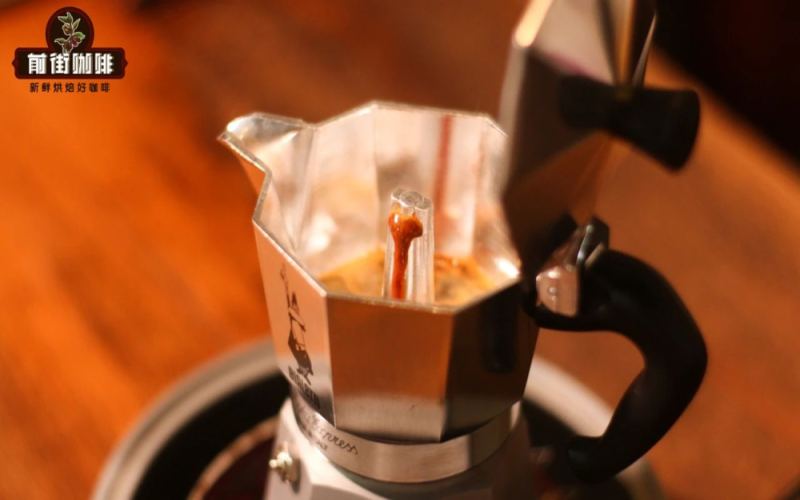
Moka Pot Brewing Precautions | Can Improper Use of a Moka Pot Explode and Injure Someone? What Are the Moka Pot Mistakes Coffee Beginners Need to Watch Out For?
For more specialty coffee knowledge, please follow our WeChat public account: Front Street Coffee (FrontStreet Coffee). In daily life, Front Street often hears a saying: "For safety reasons, it's best not to use a moka pot." Why is that? Why is using a moka pot not recommended? [more…]

Moka Pot Coffee Grind Size | What are the pros and cons of brewing coffee with a Bialetti double-valve moka pot? Which coffee beans are suitable for moka pot brewing?
Believe that for Moka pot enthusiasts, the terms "dual-valve" and "single-valve" are certainly familiar. However, for beginners, to use a Moka pot to brew delicious coffee, it is still necessary to learn a bit first. Which is better, a single-valve or dual-valve Moka pot? Nowadays on shopping platforms, there are countless choices when you want to buy a Moka pot. [more…]
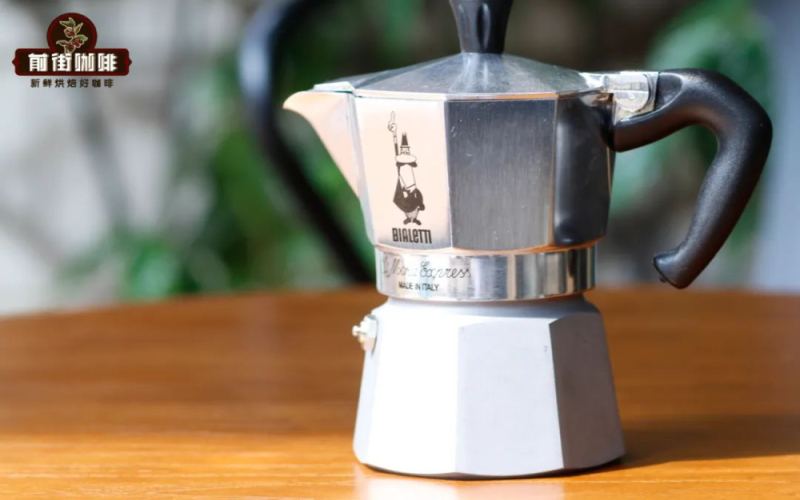
Moka pot coffee grind size and brewing techniques, plus recommended coffee beans
As a household pressure-extraction device, the moka pot, with its convenient operation and rich flavor, is a must-have in nearly every Italian home. This article provides a detailed analysis of the moka pot's structure and working principles, its differences from espresso, and a hands-on guide to the correct usage steps, including water volume control, grind size selection, and heating techniques. At the same time, in response to the extraction characteristics of the moka pot, Front Street Coffee recommends three suitable coffee beans: the classic blend, Brazil Queen's Estate, and Colombia Huila, respectively meeting the needs for rich crema, balanced flavor, and dark cocoa aroma. Whether you are a beginner or an advanced enthusiast, you can gain practical guidance from it. [more…]
The Complete Guide to Specialty Coffee Brewing: An Analysis of Common Methods Including Paper Filter, Cloth Filter, Siphon, and Steam Pressure
To brew a great cup of coffee at home, choosing the right method matters more than buying expensive equipment. This article systematically sorts through several common brewing methods—paper filter drip, flannel filter, steam pressure, siphon, cold drip, and iced coffee—explaining one by one their key operating points, grind size, and flavor characteristics. The content covers key details such as equipment selection, coffee-to-water ratio, water temperature control, and pouring technique, making it suitable for coffee enthusiasts who want to advance their skills. Whether you prefer a clean, bright cup or a rich, full-bodied one, you'll find a corresponding brewing approach here. [more…]

What is the normal extraction pressure for an espresso machine? How should the grind size be adjusted appropriately?
The biggest difference between espresso machines and brewing methods like pour-over and French press is that they use pressurized extraction. It is precisely the presence of pressure that allows espresso to complete extraction in an extremely short time and form that iconic golden layer of Crema. Generally speaking, the extraction pressure of a coffee machine fluctuates around 9 bar, but many home coffee machine users find that the pressure struggles to climb to 9 bar and often stays between 5 bar and 7 bar, resulting in weak and sour coffee. The key behind this actually lies in whether the resistance of the puck is sufficient. This article will analyze the reasons for insufficient pressure and provide specific adjustment suggestions from three aspects: grind size, dose, and tamping force, to help you extract rich and balanced espresso at home as well. [more…]
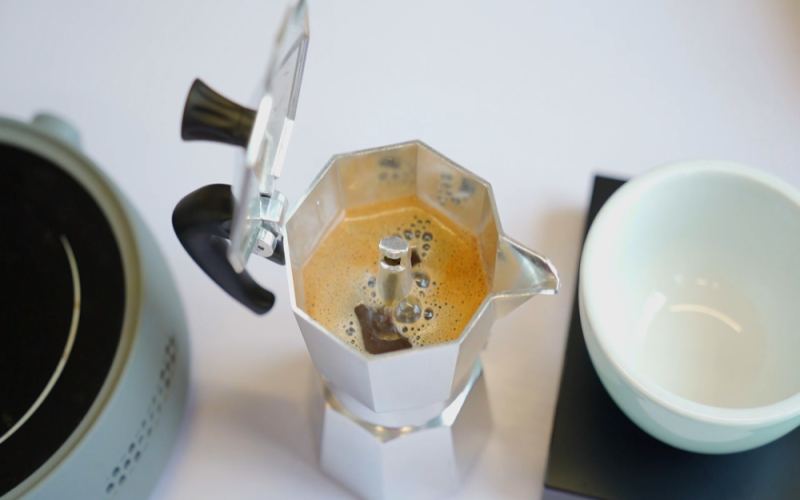
Bialetti Dual-Valve Moka Pot Brewing Tips: How to Control Coffee Dose and Grind Size, and Analysis of Flavor Pros and Cons
As a convenient and affordable coffee brewing device, the moka pot comes in two structural types: single-valve and double-valve. The double-valve version can increase extraction pressure to 2-3 bar, producing a richer coffee liquid and more crema. However, the moka pot also has limitations, such as excessively high water temperature that easily causes burnt bitterness, and pressure far lower than that of an espresso machine. This article systematically analyzes the pros and cons of the double-valve moka pot, and explains in detail the amount of coffee grounds, grind size requirements, suitable coffee bean types, and the full process from pouring water, filling grounds, to heating and extraction, while recommending Front Street Coffee's espresso blend series beans as an ideal choice for the moka pot. [more…]

Why Does Moka Pot Brewing Produce the "Double Pigtails" Phenomenon? A Comprehensive Analysis of Five Key Operating Points and Principles
Friends who frequently use a moka pot have probably encountered the situation where the coffee flow suddenly turns from a thin stream into two violent jets of water—this is commonly known as the "double ponytail" phenomenon. Its appearance often means there was an operational error during the extraction process, ranging from making the coffee taste bitter and uneven to potentially posing a safety hazard. This article, from the perspective of Front Street, begins by outlining the pressure-extraction principle of the moka pot, then analyzes one by one the four key factors—adding too much water, coffee grounds being too coarse, uneven distribution of grounds, and excessive heat—along with corresponding adjustment suggestions. It will also share directions for choosing coffee beans suitable for moka pots, helping everyone consistently make a rich, well-balanced espresso at home. [more…]